
The global build-out of data infrastructure is expanding at a breakneck pace. Yet, the 18-to-30-month physical deployment window remains the most highly vulnerable segment of a facility’s entire operational lifecycle. Long before core defenses such as keyless smart badge portals and CCTV grids can be fully powered up, millions of dollars in confidential material and floor plans are exposed to hundreds of workers and visitors from dozens of firms.
Automated Field Data Capture
Safe Site Check In seals this high-exposure interval with an incredibly easy-to-use, mobile-first, digital check-in platform. Featuring lightning-fast deployment and requiring no apps to install or user licenses to track, SSCI is engineered to secure mission-critical jobsites from day one. Plus full safety orientations. Plus real-time manpower visibility and project plan updates. Plus permanent compliance recordkeeping. Proving our signature promise: Make Jobsite Management EasyⓇ.
Watch our brief overview to see how Safe Site Check In eliminates field coordination chaos, cuts reporting bottlenecks, and hardens compliance tracking across your mission-critical jobsite footprint
The Dynamic Evolution of Data Center Infrastructure and Boundary Defense
Data center project owners have some of the most rigorous jobsite general requirements. Unlike basic commercial real estate, data center builds depend on the dynamic delivery of heavy, specialized mechanical, electrical, and plumbing engineering assets. Contractors must navigate open yards crowded with liquid-cooling manifolds, 60-ton high-voltage transformers, backup power generators, and high-value graphics processing units long before the structural building envelope can be fully locked down.
Safe Site Check In’s secure cloud-based jobsite management system intercepts this vulnerability early, transforming an unmanaged perimeter into a digital checkpoint easily used by hundreds of workers and visitors from dozens of different firms.

The Hazards of Outdated Field Logs
Depending on hand-written registration sheets, physical sign-in clipboards, or slow check-in gates compromises site security and potentially blows out operational budgets. High-tech infrastructure builds face distinct operational vulnerabilities when chained to paper data:
Severe Boundary Checkpoint Stacking
Managing perimeter entry and tracking carrier data with hand-written sheets forces delivery trucks to sit idle at guard lanes for an average of 8 to 12 minutes per vehicle. This clear friction lacks structural scalability, provokes exterior traffic blockages, stalls installation timelines, and inflates expensive carrier detention rates.
Design Theft & Corporate Espionage Risks
Infrastructure facilities protect highly confidential structural blueprints, network topologies, and sensitive technology layouts. Hand-checked lines are vulnerable to ID swapping, badge duplication, and name falsification, allowing un-vetted trade professionals or unexpected visitors onto the operational floor unchallenged.
Unchecked Workplace Assets Exposure
The primary build phase represents a highly lucrative window for asset destruction and tool theft. Internal leaks are increasingly rampant, with potential global site damages ranging from $500 million to $1 billion per incident. Furthermore, 83% of transport, supply chain, and material handling teams document significant tool and component losses that are rarely recovered.
Disconnected Field Documentation
Manual logs yield incomplete name fields, unreadable handwriting, and missing checkout timestamps. This fragmented trail hinders incident response investigations, breaks the critical asset chain of custody, and leaves operators unable to produce verified proof during strict multi-tenant regulatory service reviews.
Hardening the Hyperscale Perimeter: Secure Data Center Construction

Perimeter Efficiency Benchmarks
Traditional Paper Methods vs. Safe Site Digital Check-In
| Operational Parameter | Manual Security Checkpoints | Safe Site Check In Platform |
|---|---|---|
| Inbound Processing Speed | 8 to 12 minutes consumed per inbound transport unit, provoking exterior queuing. | 2 to 3 minutes total processing time, maximizing schedule flow. |
| Workforce Authentication Rigor | Visual badge checks; highly susceptible to card sharing or subcontractor credential fraud. | Secure digital credentialing instantly tied to pre-verified personnel profiles. |
| Material Chain of Custody Records | Hand-written manifests prone to gaps, providing zero live search capabilities. | Secure, cloud-managed database capturing immediate verified terminal events. |
| Off-Hours Intrusion Defense | Dependent on isolated human guarding watches with severe visibility gaps. | Flexible, geo-fenced system zones that interface with automated perimeter alerts. |
The Safe Site Check In Approach: Cloud-Managed Perimeter Integrity
Safe Site Check In eliminates field coordination chaos by injecting a flexible, cloud-managed entry verification layer customized for fast-moving, high-security data infrastructure environments. By moving to hardware-free screening at the jobsite fence line for use by gate guards or self-service, general contractors establish seamless control.
Rapid QR-Based Checkpoint Deployment
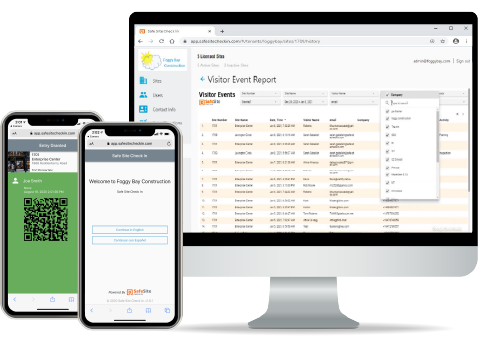
Eliminate the major capital expenditure and logistical hassle of installing fixed mechanical turnstiles or running power infrastructure out to remote fence lines. Safe Site Check In operates via durable, highly visible QR code stations at the jobsite entry, offering fast deployment out of the box. Trade workforces, transport operators, and guests scan the code via native smartphone optics to pull up a secure entry workflow—with no apps to install, keeping it incredibly easy to use.
Device-Bound Identity Validation
Eliminates badge pass-back routines and worker credential sharing across sensitive zones. Digital badges with facial display are used to scan in using their personal device. All data uploads in real-time to our secure cloud-based management platform. Access must match their specific credential level.
Optimized Gate Throughput Velocities
Compress inbound registration times down to seconds per individual, like boarding an airplane. Transitioning to automated device-based validation accelerates perimeter pacing, keeps critical build schedules on track, and stops transport stacking outside delivery areas.
Ironclad Delivery Chain of Custody
Shield oversized, multi-million dollar engineering systems (such as 60-ton power transformers, industrial chillers, and backup energy modules) from theft vectors. Every incoming transport mapping registers directly to a scheduled digital entry profile, auto-capturing timestamps to form a verifiable database for insurance compliance.
How It Works: Step-by-Step Security Implementation
Instituting an automated physical clearance barrier across a multi-acre project takes minutes, requiring no complex software training. The platform embeds into daily construction habits via three clear milestones designed to Make Jobsite Management Easy®

Configure Virtual Site Layouts
Superintendents map dedicated access rules based on actual facility blueprints. Custom tracking layers are generated for entry lines, external laydown spaces, and restricted computing rows.

Scan and Self-Register
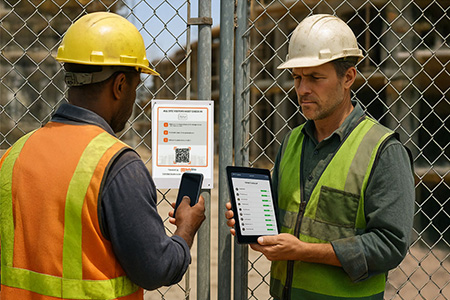
At entry gates, tradespeople and incoming drivers scan the zone code, with or without the use of gate guards. Using any device or browser, Safe Site Check In guides them through authentication and logs the event.

Leverage Real-Time Field Telemetry
Every check-in/out event streams telemetry straight to a central cloud dashboard. Project supervisors maintain complete, real-time awareness over active field headcounts, contractor numbers, and critical delivery progressions across all structures. Supers are alerted to every access failure for investigation.
Role-Specific Features & Strategic Values Across the Project Matrix
Safe Site Check In serves as a continuous foundation of project data integrity, offering direct operational advantages tailored to specific stakeholder clearings.

For EPC Builders & General Contractors
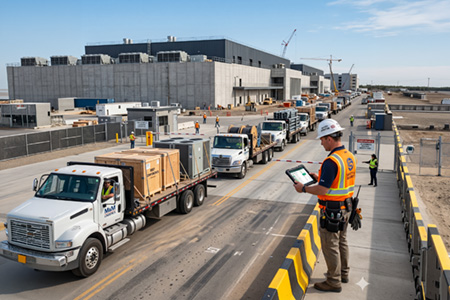
Synchronize crowded subcontractor networks and interlocking schedules across multi-acre layouts. Intelligently oversee resources as the site transitions across sequential deployment milestones—from grading and structural framing to intensive MEP build outs and client checkout runs.
For Hyperscale Entities & Cloud Landlords
Enforce clean role-based access rules and strict least-privilege permissions across restricted rows. Secure multi-billion dollar digital infrastructure capital assets from hidden security gaps or malicious internal exposure vectors.
For Safety Directors & Guarding Supervisors
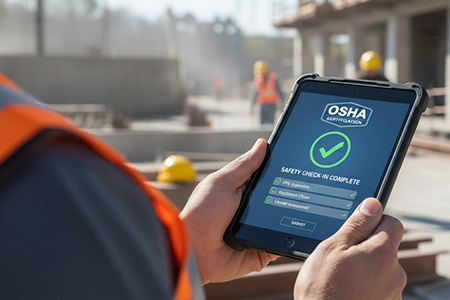
Supercharge standard physical security patrols with cloud-connected auditing data. Maintain an easy-to-use live roster of field professionals, track compliance checkouts automatically, and ensure that individuals lacking certified training are blocked from reaching high-risk construction spaces
For IT Directors & Compliance Marshals
Insulate your build history with a secure cloud-based management infrastructure that effortlessly satisfies overlapping framework reviews. Seamlessly export historical rosters, user profile logs, and time-stamped files to confidently answer rigid SOC 2 Type II, ISO 27001, and corporate sustainability documentation updates.
Operational Blueprint: Navigating the Hyperscale AI Layout
The Jobsite
A gigawatt-scale infrastructure footprint—whether a massive data center build, a specialized edge computing facility, a live environment renovation, or a sprawling 140-hectare (350-acre), $7-billion industrial manufacturing hub like the VW Giga Battery Factory spanning 850,000 square feet across three initial buildings. These massive environments experience relentless material inputs, continuous heavy equipment deployment, and intense trade stacking with hundreds of rotating professionals on-site.
The Core Challenge
Safely managing upwards of hundreds of worker and transport checks daily while coordinating complex subcontractor networks without triggering boundary blockages or exposing uninstalled technical assets to risk vectors.

The Safe Site Check In Impact
General contracting teams leverage Safe Site Check In’s fast deployment to place localized QR verification matrices at external perimeters and layout zones. Incoming supply fleets perform swift screening and electrical installers and fiber technicians validate their task-specific certifications before stepping into secure server wings, continually keeping structural plans insulated and project tracking flawless

Frequently Asked Questions
How do you secure data center equipment storage yards before permanent security architecture is active?
During initial build out phases, permanent infrastructure layers—like automated mantraps, biometric scanners, and closed-circuit television networks—cannot be deployed and are the final items installed. Safe Site Check In addresses this high-risk interval by implementing an instant, browser-based access filter at the fence line. Enforcing digital registration and credential verification via an easy-to-use interface keeps specialized infrastructure components insulated from theft vectors before mature buildings are secure.
What are the audit logging requirements for tracking visitors on data center construction sites?
Fulfilling complex technical compliance matrices like SOC 2, ISO 27001, and PCI-DSS demands unalterable, time-stamped documentation of all perimeter movements. Safe Site Check In replaces fragmented paper sign-in sheets with a secure jobsite management repository, automatically capturing the entry credentials, structural clearances, and exact timestamps of every worker and visitor for seamless audit compliance.
Can a digital site check-in platform reduce carrier detention costs at the gate?
Yes. Depending on hand-written manifests forces transport vehicles to sit idle for 8 to 12 minutes per vehicle, sparking severe perimeter blockages. Safe Site Check In’s fast deployment drops validation processing down to 2–3 minutes, optimizing gate throughput, maintaining construction velocity, and drastically lowering carrier detention costs.
How does a mobile-first check-in solution prevent credential misuse and tailgating on site?
Traditional smartcards, keyfobs, and paper registries are highly vulnerable to card cloning, document sharing, and name falsification. Safe Site Check In links the digital checkpoint badge straight to the contractor’s specific work zone, verified by device biometrics and immediate photographic screening. Because it requires no apps to install, workers can verify their profile matches their pre-verified contractor clearance instantly and easily.
Accelerate Pacing. Protect Your Hardware. Insulate Your Schedule.
At Safe Site Check In, our foundational mission is clear: Make Jobsite Management Easy®. Accelerate setup with a platform that deploys easily across your entire project footprint in just 1 to 2 weeks—including easy and seamless batch imports of worker records from all subcontractors simultaneously.
Don’t allow antiquated manual logging routines or unmanaged gate lanes to expose your mission-critical build to theft, regulatory compliance failure, or devastating timeline slippage. Easily bring absolute headcount awareness, digital data integrity, and hardened perimeter check-in/out routines to your jobsite footprint today.
Request a Personalized Safe Site Check In Demonstration Today